
Child poverty and economic policy rarely sit side by side in public conversation. Yet this week in Swansea, they did. During a visit to Faith in Families’ Cwtch Mawr Multibank, Andrew Bailey, Governor of the Bank of England, met with our CEO, Cherrie Bija, to hear directly about how national economic decisions ripple through family homes and shape children’s lives.
Because while economic policy is often discussed in terms of markets and forecasts, its real impact is felt around kitchen tables. It shows up in rising rent, food prices, and energy bills. And for families already under pressure, those changes land fast and hard.
At Faith in Families, we see that reality every day.
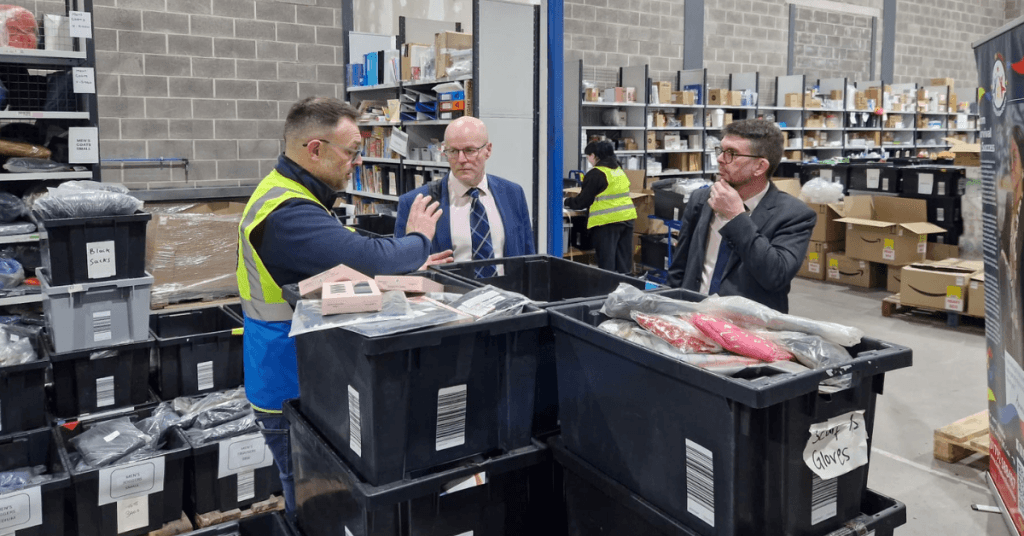
When Economic Decisions Meet Family Life
Economic policy influences whether families feel secure or stuck in survival mode. Interest rate changes affect household budgets, but they also affect stress levels, mental health, and relationships at home. Over time, that pressure can shape a child’s sense of safety and stability.
Through our Community Cwtches and specialist family support, we work alongside parents who are doing everything they can. Many are juggling rising costs with insecure work, poor housing, or health challenges. As a result, even small financial shocks can tip a family into crisis.
Because of this, child poverty and economic policy cannot be treated as separate issues. They are deeply connected, even if that link is not always visible in spreadsheets or statistics.
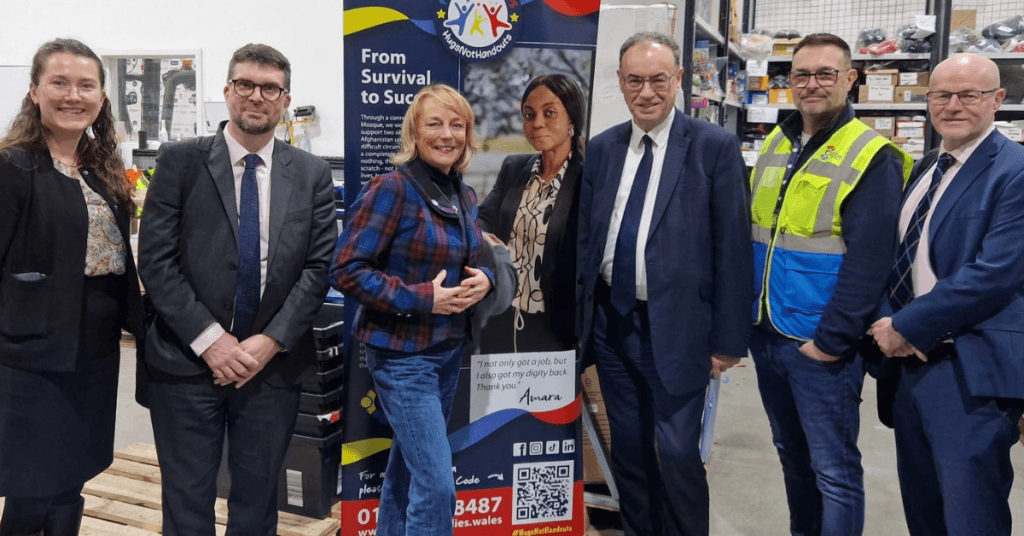
Why This Visit Mattered
The visit to Cwtch Mawr Multibank created space for honest conversation. It was an opportunity to move beyond assumptions and talk openly about lived experience. Importantly, it allowed the voices of children and families in Swansea Bay to be heard at the highest level.
Cherrie Bija, CEO of Faith in Families, shared what we see daily, not just the numbers, but the human impact behind them.
“Child poverty is everyone’s business. We have a responsibility to advocate for those most affected, especially children, and to ensure their voices are heard when decisions are made.”
These conversations matter because policy decisions do not happen in isolation. They land in real places, affecting real families, long before the impact appears in official data.

What Is Cwtch Mawr Multibank?
Cwtch Mawr Multibank is Wales’s first multibank, coordinated by Faith in Families. It brings together surplus goods from businesses and partners and redistributes them to families through trusted local organisations.
The multibank exists because families need more than short-term fixes. They need dignity, consistency, and community-based solutions that recognise the complexity of their lives. By working with frontline services, Cwtch Mawr ensures help reaches people in ways that feel respectful and supportive.
In this way, it also highlights the connection between child poverty and economic policy, showing how national systems and local responses must work together.
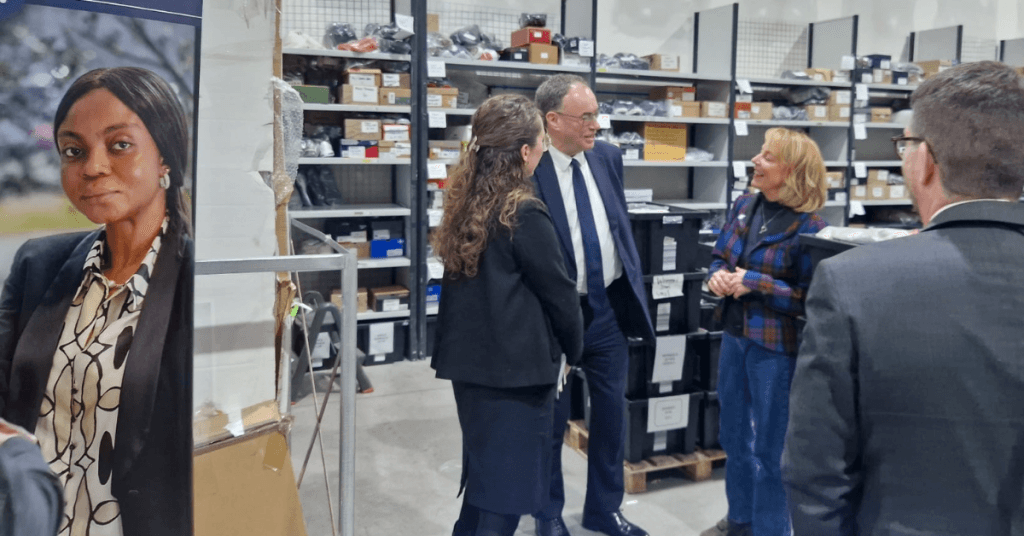
Speaking Truth to Power
Visits like this are not about headlines. They are about making sure decision-makers understand the full picture. When economic choices are made without listening to families, children pay the price.
However, when lived experience is part of the conversation, there is an opportunity for change. It allows policy to be shaped with compassion, not just calculation.
You can learn more about the role of the UK’s central bank on the Bank of England website.
Standing With Families, Always
At Faith in Families, advocacy is part of our everyday work. Alongside practical support, we speak up for fairness, dignity, and better systems for children. We believe economic discussions must always consider their human impact.
Because child poverty and economic policy are not abstract ideas. They are about whether a child feels safe, supported, and hopeful about their future.
Get Involved
If you want to learn more about how we support families across Swansea Bay, explore our Community Cwtches and wider services.
You can also support our work by donating, partnering with us, or sharing our story. Together, we can keep children and families at the heart of every conversation that shapes their future.
